
- contact@lakhanpalco.com
- June 1, 2026
Foreign funding for non-governmental organizations (NGOs) in Pakistan is a regulated and structured process aimed at ensuring transparency, accountability, and alignment with national development and welfare priorities. NGOs engaged in sectors such as education, healthcare, disaster relief, poverty reduction, and women’s empowerment often depend on international donors, including foreign governments, multilateral agencies, and global philanthropic organizations. However, the receipt and utilization of foreign funding in Pakistan is subject to legal approvals and strict oversight mechanisms.
The first requirement for any NGO is proper legal registration. Organizations must be registered under applicable laws such as the Societies Registration Act, the Trusts Act, or as a not-for-profit company under Section 42 of the Companies Act. After registration, NGOs may also need recognition from provincial or federal authorities depending on the scope of their operations, especially if they intend to engage with international donors.
The key regulatory authority for foreign funding is the Economic Affairs Division (EAD), which operates under the Ministry of Economic Affairs, Government of Pakistan. The EAD is responsible for coordinating, approving, and monitoring foreign economic assistance, including grants and aid received by NGOs and INGOs. Any organization seeking foreign funding must obtain prior approval from the EAD and, in many cases, sign a Memorandum of Understanding (MoU). This MoU outlines the NGO’s mandate, project scope, geographic areas of operation, funding duration, and reporting obligations.
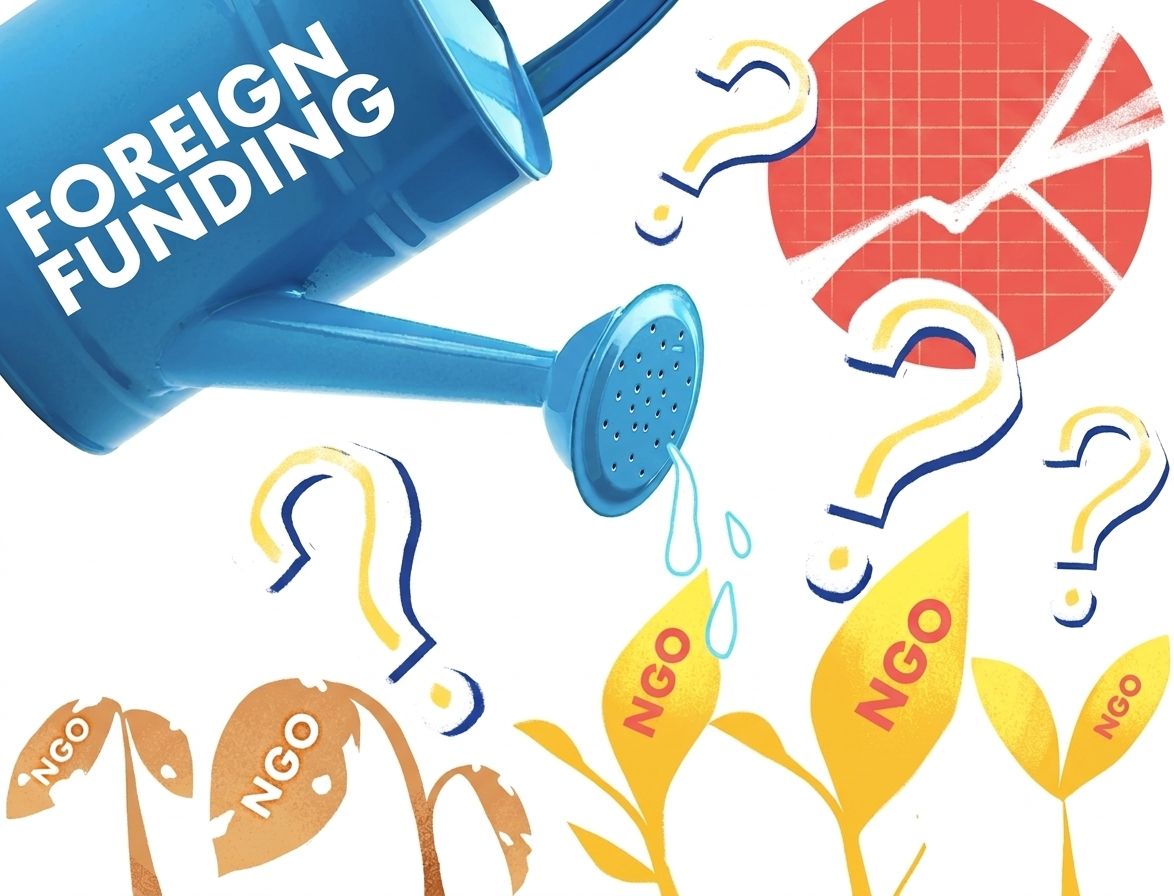
Foreign funds are required to be transferred through formal banking channels into officially declared NGO accounts. These accounts must be approved and monitored by relevant authorities. Banks typically require documentation such as donor agreements, project proposals, and EAD approval letters before processing any foreign remittances. This ensures that all transactions remain transparent, traceable, and compliant with Pakistan’s financial regulations and international anti-money laundering standards.
Once funds are received, NGOs are bound by strict reporting and auditing requirements. They must maintain detailed financial records and submit periodic reports to the EAD and other regulatory bodies, outlining how funds are spent and what outcomes have been achieved. In many cases, third-party audits and field monitoring are also conducted to verify that projects are being implemented as approved and that funds are not misused or diverted.
In recent years, oversight has become more stringent due to global compliance frameworks such as the Financial Action Task Force (FATF) recommendations. As a result, NGOs are expected to demonstrate strong governance structures, financial discipline, and measurable social impact to continue receiving foreign funding approvals.
Overall, while the process is highly regulated, it is designed to facilitate genuine humanitarian and development work in Pakistan. By placing the Economic Affairs Division under the Ministry of Economic Affairs at the center of this system, the government ensures that foreign assistance is properly managed, transparent, and effectively directed toward public welfare outcomes.