
- contact@lakhanpalco.com
- July 20, 2026
Business taxation is an essential part of the economic and financial system that regulates how businesses contribute to national revenue. In Pakistan, the Income Tax Ordinance, 2001 serves as the primary legal framework for determining business tax obligations, calculating taxable income, and ensuring compliance with tax regulations. It provides guidelines for individuals, companies, and other business entities regarding the treatment of income earned from commercial activities.
Under the Income Tax Ordinance, 2001, income generated from business operations is considered taxable income. This includes profits earned from trading, manufacturing, professional services, and other commercial activities. The taxable income of a business is calculated after considering the allowable expenses and deductions permitted under the law. This system ensures that businesses are taxed on their actual income after legitimate business costs have been taken into account.
One of the important elements of business taxation is the recognition of allowable business expenses. Businesses can claim deductions for expenses that are directly related to their operations, such as employee salaries, rent, utilities, depreciation, and administrative costs. However, expenses that are personal or unrelated to business activities are generally not considered allowable deductions under the tax framework.
The Income Tax Ordinance, 2001 also defines tax responsibilities based on different business structures. Individual business owners, companies, partnerships, and associations of persons may have different tax treatments and compliance requirements. Understanding the applicable tax rules according to the nature and structure of a business helps taxpayers manage their obligations effectively and avoid potential issues.
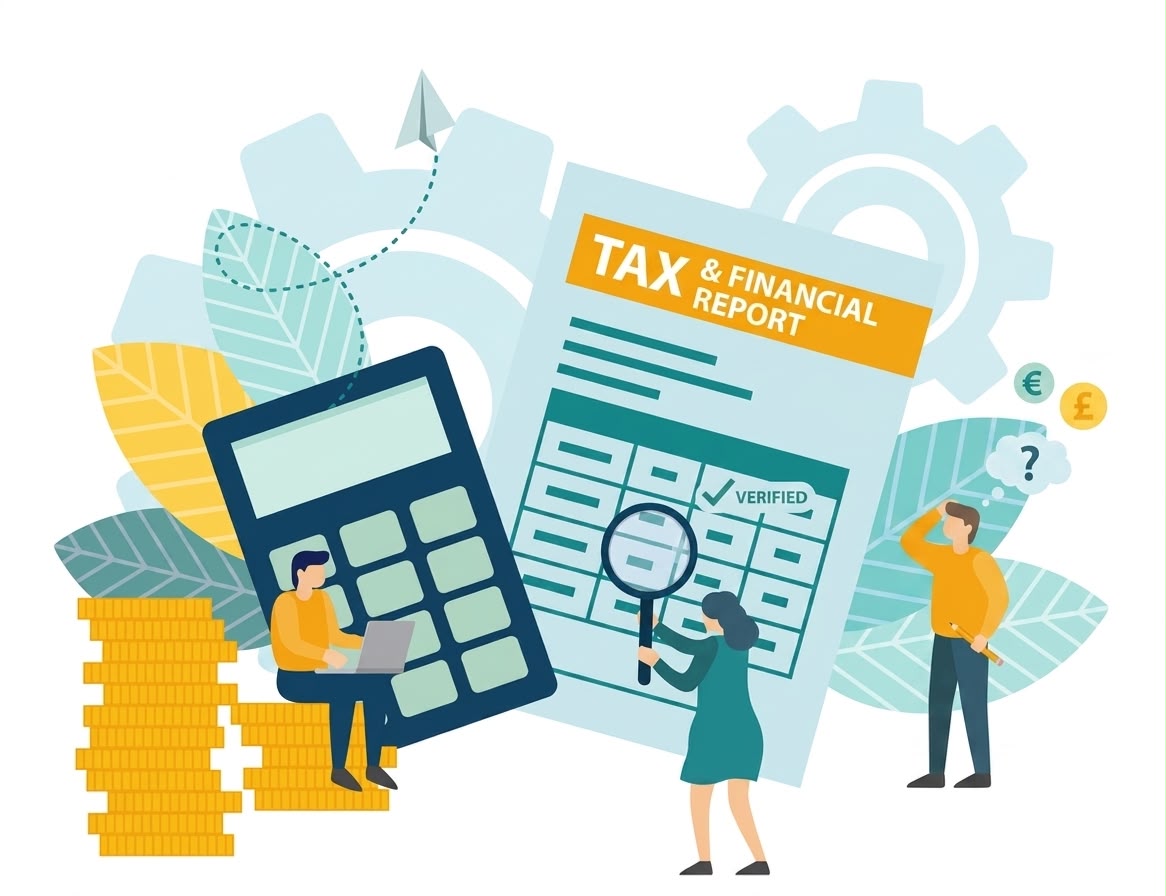
Business registration, record maintenance, and tax return filing are important requirements under the taxation system. Businesses are expected to maintain accurate financial records to support income calculations and expense claims. Proper documentation helps ensure transparency and assists businesses in meeting their legal responsibilities during tax assessments or audits.
Another significant area of business taxation is withholding tax and advance tax. Certain businesses are required to deduct tax from specific payments made to employees, suppliers, contractors, and service providers. These provisions help improve tax collection and ensure that tax responsibilities are distributed throughout different stages of business transactions.
Effective tax planning allows businesses to manage their financial affairs in a more organized manner. By understanding tax rules, available deductions, and compliance requirements, businesses can make informed decisions while reducing the risk of penalties and tax disputes. Maintaining proper accounting practices and seeking professional tax guidance can further improve compliance and financial management.
Business taxation under the Income Tax Ordinance, 2001 provides a structured approach for regulating business income and tax responsibilities in Pakistan. A clear understanding of taxation rules enables businesses to fulfill their obligations, maintain financial discipline, and operate with greater confidence. Proper tax management not only supports individual businesses but also contributes to economic stability and development.